⚡ Storm or Roof Damage? Get a FREE Estimate
Text ESTIMATE to (844) 907-2546
Or call (800) 792-0212 for 24/7 emergency response
AI-powered • No obligation • Licensed IL & WI
Direct Answer: What Should You Do First After Storm Damage?
After storm damage, Illinois homeowners should first make sure everyone is safe, avoid unsafe areas, prevent further damage when it can be done safely, document the property with photos and videos, contact the insurance carrier, and call a qualified storm damage restoration contractor for inspection and emergency protection.
The most important rule is simple:
Do not rush into permanent repairs before documenting the damage.
Storm damage can affect roofing, siding, gutters, windows, fascia, soffit, insulation, drywall, flooring, electrical systems, framing, and interior finishes. Even when the damage looks minor from the ground, hail, wind, tornado debris, or wind-driven rain can create hidden problems that require a professional inspection.
For homeowners in Illinois, Wisconsin, Indiana, and the greater Chicago area, Allied Emergency Services provides storm damage restoration support for roof damage, hail damage, wind damage, water intrusion, emergency tarping, exterior restoration, and insurance documentation.
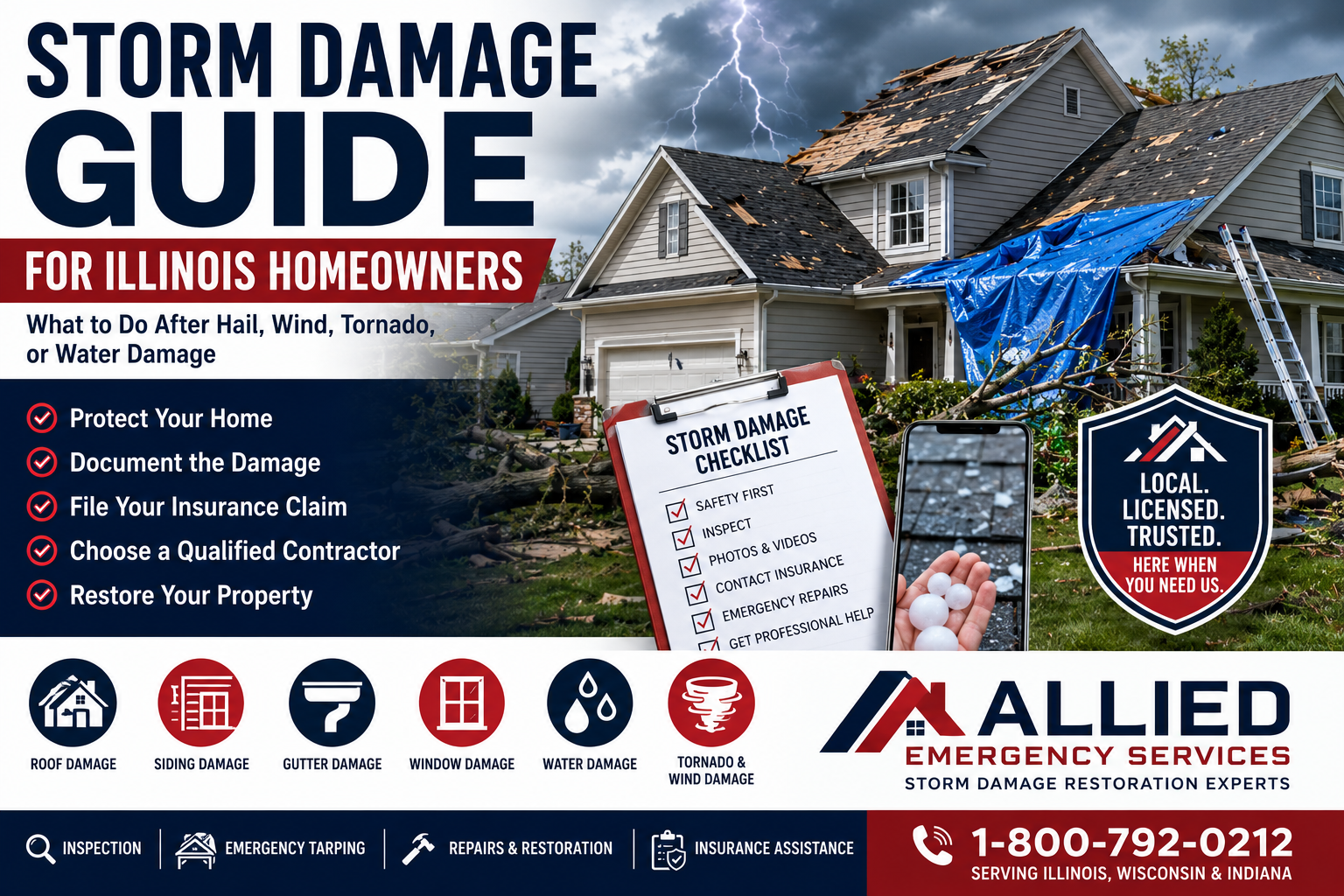
Storm Damage Quick Checklist for Homeowners
| Step | What to Do | Why It Matters |
|---|---|---|
| 1 | Check for immediate safety hazards | Downed power lines, unstable trees, roof openings, water intrusion, and broken glass can be dangerous. |
| 2 | Avoid climbing on the roof | Storm-damaged roofs can be slippery, unstable, or structurally unsafe. |
| 3 | Take photos and videos | Documentation helps support repair planning and insurance claim review. |
| 4 | Stop further damage if safe | Temporary tarping, board-up, or water mitigation may reduce additional damage. |
| 5 | Contact your insurance carrier | Report the loss and ask for claim instructions. |
| 6 | Call a qualified restoration contractor | A contractor can inspect damage, document repair scope, and identify code-related issues. |
| 7 | Keep every receipt and document | Save invoices, estimates, emails, photos, claim letters, and emergency service records. |
| 8 | Verify contractor licensing | Illinois roofing work should be performed by properly licensed roofing professionals. |
| 9 | Read every contract before signing | Storm urgency can increase contractor fraud risk. |
| 10 | Get help if the claim is disputed | Public adjusters and attorneys may be needed for claim or legal disputes. |
What Counts as Storm Damage?
Storm damage is property damage caused by severe weather. In the Midwest, storm damage often involves hail, wind, tornadoes, heavy rain, lightning, fallen trees, flying debris, ice, and water intrusion.
Common storm damage categories include:
- Roof damage.
- Hail damage.
- Wind damage.
- Tornado damage.
- Siding damage.
- Gutter and downspout damage.
- Window and screen damage.
- Fascia and soffit damage.
- Interior water damage.
- Attic moisture damage.
- Ceiling and drywall damage.
- Insulation damage.
- Fire or electrical damage from lightning.
- Structural damage from fallen trees or debris.
A storm damage inspection should not focus only on the roof. A complete storm damage restoration review should include the roof system, exterior elevations, drainage components, interior leak paths, attic conditions, and any emergency mitigation needs.
Related Allied services:
Safety Comes First After Severe Weather
Before documenting damage or calling contractors, make sure the property is safe to enter. Do not walk under sagging ceilings, near downed power lines, around unstable trees, or on a damaged roof.
Storm-damaged properties may involve:
- Electrical hazards.
- Broken glass.
- Loose siding or roofing materials.
- Falling branches.
- Water intrusion.
- Contaminated water.
- Structural instability.
- Exposed nails or fasteners.
- Mold risk after prolonged moisture.
- Fire or smoke damage after lightning or electrical events.
The National Weather Service provides severe weather safety resources here:
https://www.weather.gov/safety/
Ready.gov also provides general severe weather preparedness and recovery guidance:
https://www.ready.gov/severe-weather
If there is an active emergency, fire, electrical hazard, gas smell, structural collapse risk, or medical danger, contact emergency services first.
Roof Storm Damage: What Homeowners Should Look For From the Ground
Homeowners should not climb onto a storm-damaged roof. From the ground, you may be able to see signs that the roof needs professional inspection.
Possible roof storm damage signs include:
- Missing shingles.
- Lifted shingles.
- Creased shingles.
- Shingle pieces in the yard.
- Exposed underlayment.
- Damaged ridge cap.
- Damaged vents.
- Damaged flashing.
- Dented metal vents.
- Granules collecting near downspouts.
- Tree limbs on the roof.
- Water stains on ceilings.
- New attic leaks.
- Sagging roof areas.
Hail damage is often difficult to confirm from the ground. A roof may look normal from the driveway but still have functional hail damage, especially when collateral damage is present on gutters, soft metals, siding, vents, or window wraps.
For roof-specific storm restoration, see:
Hail Damage: Why Collateral Damage Matters
Hail damage is not always limited to shingles. In many Illinois hail claims, the strongest evidence includes collateral damage around the property.
A storm damage contractor may document:
- Dented gutters.
- Dented downspouts.
- Damaged gutter guards.
- Damaged window wraps.
- Dented roof vents.
- Damaged metal flashing.
- Damaged AC fins.
- Broken window screens.
- Siding impact marks.
- Damage to fascia, soffit, or trim.
- Granule loss on shingles.
- Bruising or fractures in roof shingles.
Collateral damage helps show that hail impacted the property. It does not automatically prove every item is covered by insurance, but it is important factual evidence.
Homeowners can also use NOAA storm data to help identify severe weather activity near the date of loss:
https://www.ncei.noaa.gov/access/search/data-search/storm-events
Wind Damage: Why Missing Shingles Are Not the Only Problem
Wind damage can be obvious or subtle. A missing shingle is easy to see, but wind can also lift, crease, loosen, or damage shingles without removing them completely.
Possible wind damage indicators include:
- Missing shingles.
- Creased shingles.
- Lifted shingles.
- Exposed nail heads.
- Loose ridge cap.
- Damaged flashing.
- Wind-driven rain stains.
- Loose siding.
- Detached fascia.
- Damaged soffit.
- Fallen tree limbs.
- Interior leaks after wind-driven rain.
Wind damage claims can become disputed when the carrier says the condition is age, wear, improper installation, or maintenance-related. A strong inspection file should separate storm-created damage from pre-existing conditions when possible.
For wind-specific restoration, see:
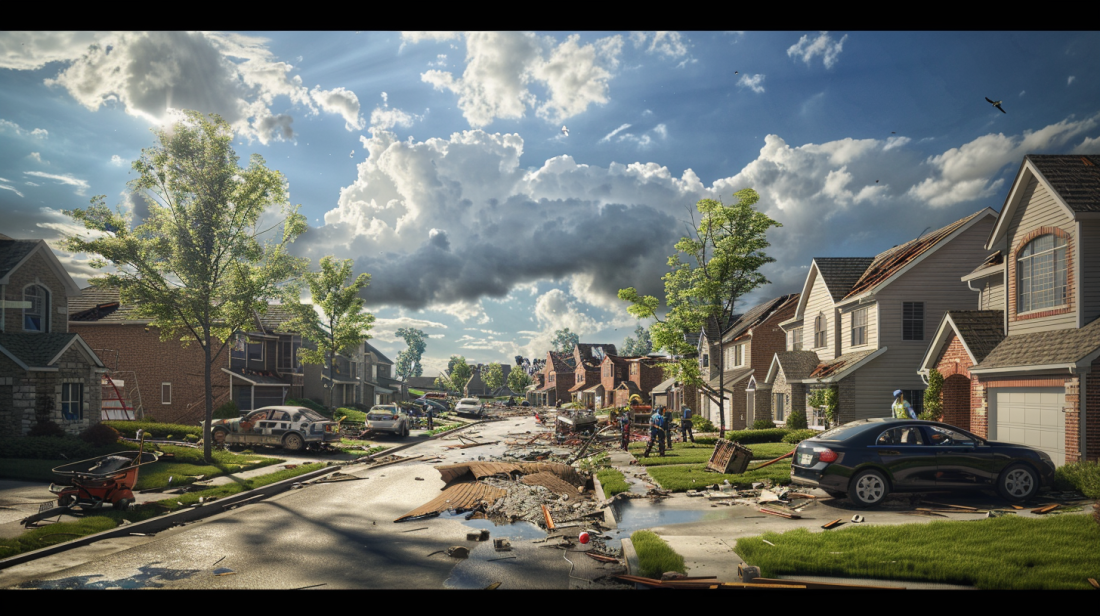
Tornado and Severe Wind Damage: When the Inspection Must Go Beyond the Roof
Tornado and severe wind damage can affect the entire building envelope. Even when the home remains standing, the structure may have damage that is not visible from the street.
Tornado and severe wind restoration may require evaluation of:
- Roof decking.
- Trusses or rafters.
- Wall framing.
- Roof-to-wall connections.
- Windows and doors.
- Siding and sheathing.
- Garage doors.
- Fascia and soffit.
- Interior ceilings and walls.
- Water intrusion paths.
- Electrical or mechanical systems.
- Foundation or masonry distress.
A contractor can document visible restoration needs. Structural concerns may require evaluation by qualified professionals, such as engineers, building officials, or specialized consultants.
For major storm losses, homeowners should also preserve all communications, emergency repair invoices, and inspection records.
Water Damage After a Storm: Why Fast Mitigation Matters
Storm damage often leads to water damage. A roof opening, broken window, damaged siding, or wind-driven rain can allow water into the attic, ceilings, walls, insulation, flooring, and basement.
Signs of storm-related water damage include:
- Ceiling stains.
- Wet drywall.
- Wet insulation.
- Peeling paint.
- Water dripping from light fixtures.
- Musty odors.
- Buckling flooring.
- Stained trim.
- Attic moisture.
- Wet carpet.
- Water near exterior walls.
- Mold-like growth after prolonged moisture.
Water damage should be addressed quickly because moisture can spread into hidden areas. Emergency mitigation may include tarping, board-up, water extraction, drying, moisture mapping, and removal of unsalvageable materials.
For water-related storm damage, see:
Emergency Tarping and Temporary Repairs
Temporary repairs are designed to prevent additional damage until permanent restoration can begin. These repairs may include roof tarping, board-up, temporary sealing, debris removal, water extraction, and interior protection.
Homeowners should document temporary repairs carefully.
Keep:
- Photos before the temporary repair.
- Photos after the temporary repair.
- Emergency service invoices.
- Receipts for materials.
- Contractor work orders.
- Moisture readings, if available.
- Dates and times of service.
- Communications with the insurance carrier.
Temporary repairs should not be confused with final repairs. A tarp may reduce water intrusion, but it does not restore the roof. Board-up may protect an opening, but it does not complete window or structural restoration.
Related Allied service:
How to Document Storm Damage for Insurance
Documentation is one of the most important parts of a storm damage claim. A clear file helps the homeowner, contractor, carrier, public adjuster, or attorney understand what happened.
Homeowners should document:
1. Date and Time of the Storm
Write down the date, approximate time, and type of storm. Include hail, wind, tornado warning, heavy rain, fallen tree, or lightning details.
2. Photos and Videos
Take wide-angle and close-up photos. Capture the roof from the ground, siding, gutters, downspouts, windows, screens, interior leaks, damaged rooms, damaged belongings, and exterior debris.
3. Interior Damage
Photograph water stains, wet drywall, damaged flooring, attic moisture, damaged insulation, and any water intrusion path.
4. Exterior Damage
Photograph siding, fascia, soffit, gutters, roof edges, vents, fences, decks, and detached materials.
5. Emergency Repairs
Save photos and invoices for tarping, board-up, water extraction, drying, and temporary repairs.
6. Communications
Save emails, claim portal messages, text messages, adjuster notes, inspection appointments, estimates, and payment records.
7. Contractor Estimates
Keep all contractor estimates, repair scopes, material lists, code notes, and supplemental documentation.
A good storm damage file is chronological. The clearer the timeline, the easier it is to understand the damage and the repair process.
How to Start a Storm Damage Insurance Claim
Every policy is different, so homeowners should read their policy and follow the carrier’s reporting instructions. In general, homeowners should notify the insurance carrier as soon as practical after discovering storm damage.
When reporting the claim, be prepared to provide:
- Policyholder name.
- Property address.
- Date of loss.
- Type of storm damage.
- Emergency repair needs.
- Whether water is entering the home.
- Whether the home is safe to occupy.
- Photos or videos, if requested.
- Contractor inspection information, if available.
Ask the carrier:
- What is my claim number?
- Who is the assigned adjuster?
- What is my deductible?
- Do I have replacement cost coverage or actual cash value coverage?
- Do I have ordinance or law coverage?
- Are temporary repairs covered?
- What documents do you need?
- When will the property be inspected?
- Should I submit contractor estimates through a portal or email?
- What is the deadline for providing documentation?
For general Illinois insurance consumer resources, see the Illinois Department of Insurance:
https://idoi.illinois.gov/
What a Storm Damage Restoration Contractor Does
A qualified storm damage restoration contractor helps identify and document the physical repair scope. The contractor’s role is different from the insurance carrier, public adjuster, or attorney.
A contractor may help with:
- Roof inspection.
- Siding inspection.
- Gutter and downspout inspection.
- Water damage inspection.
- Emergency tarping.
- Board-up.
- Moisture documentation.
- Repair estimate.
- Material identification.
- Code-related scope.
- Permit-related issues.
- Construction planning.
- Restoration work.
A contractor should not promise claim approval, interpret coverage as legal advice, or act as a public adjuster unless properly licensed and authorized under applicable law.
For Allied’s qualifications and credentials, visit:
Why Licensing Matters After Storm Damage
After major storms, homeowners may be contacted by out-of-area contractors, door-to-door salespeople, or companies offering fast repairs. Some may be reputable. Others may not be properly licensed, insured, or qualified for the work.
For Illinois roofing work, homeowners should verify roofing license status through the Illinois Department of Financial and Professional Regulation:
https://online-dfpr.micropact.com/lookup/licenselookup.aspx
Homeowners should ask:
- Are you licensed for roofing work in Illinois?
- What is your license number?
- Is the company name on the contract the same as the licensed company?
- Do you carry insurance?
- Will you provide a written scope?
- Will you obtain required permits?
- Are you acting as a contractor, public adjuster, or both?
- Will I receive a copy of every document I sign?
For a deeper explanation, read:
Watch for Contractor Fraud After Storm Damage
Storm damage creates urgency, and urgency creates fraud risk. Illinois homeowners should slow down before signing any repair contract, Assignment of Claim, Direction to Pay, or insurance-related authorization.
Red flags include:
- High-pressure sales tactics.
- Blank contracts.
- No written scope.
- No license number.
- Large cash deposit demands.
- Promises that “insurance will cover everything.”
- Offers to waive or absorb the deductible.
- Refusal to provide a copy of the contract.
- Claims that permits are never needed.
- Confusing insurance authorization forms.
- The contractor says they will “handle the whole claim” without explaining licensing.
- The contractor tells you not to contact your insurance carrier.
- The contractor says legal conclusions like “your insurance company is acting in bad faith.”
Illinois homeowners should understand the Home Repair and Remodeling Act, 815 ILCS 513, before signing major repair documents.
Read Allied’s related guide:
Official Illinois statute search:
https://www.ilga.gov/legislation/ilcs/ilcs.asp
Building Code Compliance After Storm Damage
Storm restoration is not just cosmetic repair. A proper restoration project should consider local building codes, manufacturer instructions, permit requirements, and field conditions.
Code-related storm restoration issues may include:
- Ice barrier requirements.
- Drip edge.
- Roof deck condition.
- Flashing.
- Ventilation.
- Underlayment.
- Roof fastening.
- Re-roof limits.
- Siding weather-resistive barriers.
- Window and door flashing.
- Structural repairs.
- Electrical safety after water intrusion.
- Fire and smoke restoration requirements.
- Local permit and inspection rules.
Building codes are adopted and enforced locally. Requirements may vary between Chicago, Cook County suburbs, collar counties, downstate Illinois municipalities, Wisconsin communities, and Indiana jurisdictions.
For code-related storm restoration, see:
Insurance Estimate vs. Contractor Estimate
A carrier estimate and a contractor estimate may look similar, but they are not always the same document.
An insurance estimate reflects the carrier’s position on covered damage, pricing, depreciation, deductible, and policy terms. A contractor estimate reflects the construction scope needed to perform the work.
Differences may occur because of:
- Missing damage.
- Incorrect measurements.
- Material differences.
- Code-required work.
- Permit costs.
- Emergency repairs.
- Interior water damage.
- Siding or gutter omissions.
- Labor pricing differences.
- Roof accessories.
- Flashing and ventilation details.
- Detach and reset items.
- Waste factors.
- Scope sequencing.
- Manufacturer requirements.
A contractor can document the restoration scope. A public adjuster may help with claim adjustment when properly licensed. An attorney may be needed for legal disputes, policy interpretation, or bad faith issues.
For serious insurance disputes, read:
When to Request a Reinspection or Supplement
A reinspection or supplement may be needed when the initial insurance estimate does not address all documented storm damage.
A supplement may be appropriate when:
- The carrier missed roof damage.
- The estimate omits siding damage.
- Gutters or downspouts were not included.
- Interior water damage was not inspected.
- Emergency tarping was not considered.
- Code-required work was omitted.
- Measurements are incorrect.
- The material is discontinued or unavailable.
- Additional damage is found after tear-off.
- The scope does not reflect permit requirements.
- The estimate does not include required flashing, ventilation, or underlayment items.
A supplement should be factual. It should connect each line item to photos, measurements, code requirements, manufacturer instructions, or field conditions.
What Not to Do After Storm Damage
Homeowners should avoid common mistakes that can make restoration and insurance documentation harder.
Do not:
- Climb onto a damaged roof.
- Throw away damaged materials before documenting them.
- Start permanent repairs before taking photos.
- Sign blank contracts.
- Assume a verbal promise is enough.
- Let a contractor pressure you into signing immediately.
- Ignore interior water damage.
- Delay mitigation when water is entering the home.
- Assume the insurance estimate includes every required repair.
- Assume every contractor is licensed.
- Assume every insurance denial is bad faith.
- Assume every storm mark is covered damage.
- Forget to keep receipts.
- Forget to verify permits and code requirements.
Good storm restoration begins with safety, documentation, licensing, and clear written repair scope.
Storm Damage Guide by Damage Type
Roof Damage
Roof storm damage may include missing shingles, creased shingles, hail impacts, damaged vents, damaged flashing, leaks, and decking concerns. Roof damage should be inspected by a qualified roofing professional.
Related link: Roofing Services
Hail Damage
Hail damage may affect shingles, gutters, vents, siding, windows, screens, AC fins, and soft metals. Hail damage should be documented with photos, slope-by-slope inspection, and collateral evidence.
Related link: Hail Damage Roof Repair
Wind Damage
Wind damage may include missing shingles, lifted shingles, damaged siding, detached gutters, fallen tree limbs, and wind-driven rain intrusion.
Related link: Wind Damage Roof Repair
Water Damage
Water damage may follow roof openings, broken windows, damaged siding, overflowing gutters, or flooding conditions. Water damage restoration may require moisture documentation and drying.
Related link: Water Damage Restoration
Fire and Smoke Damage
Lightning, electrical damage, or storm-related fire events may create fire and smoke restoration needs. Fire damage work should account for safety, smoke residue, odor, and affected materials.
Related link: Fire & Smoke Damage Restoration
Siding Damage
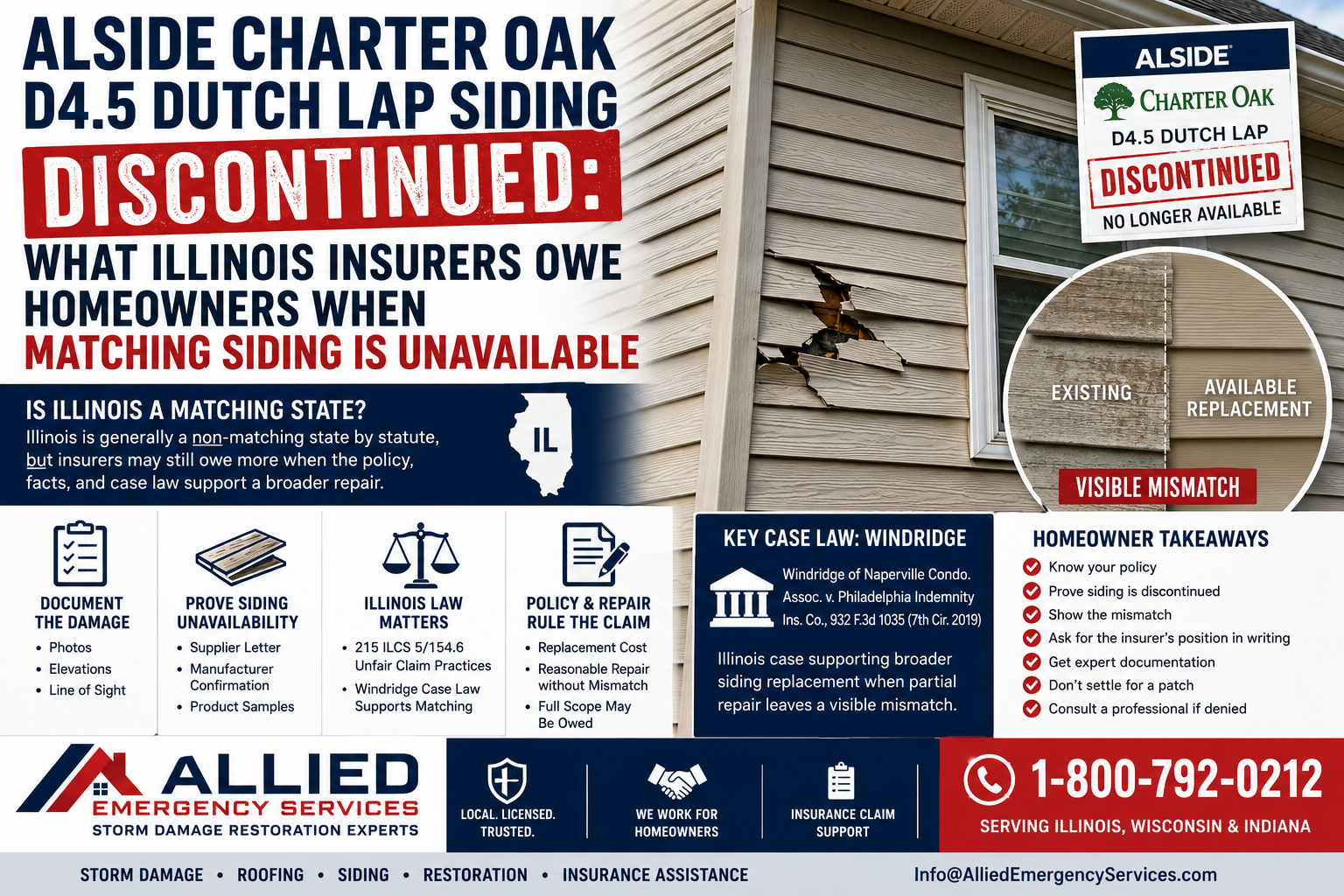
Siding can be cracked, punctured, loosened, dented, or displaced by hail and wind. Matching, discontinued materials, and water-resistive barrier concerns may affect repair scope.
Related link: Siding Services
Gutter Damage
Gutters and downspouts often show hail dents, wind displacement, drainage problems, and fascia damage. Gutter damage can also support hail documentation.
Related link: Gutter Services
Window Damage
Storms may damage glass, screens, frames, wraps, seals, and flashing. Broken windows should be protected quickly to reduce water intrusion.
Related link: Window Damage Repair
Storm Damage Claim Documentation Checklist
Use this checklist before, during, and after the inspection.
| Documentation Item | Completed |
|---|---|
| Date of storm recorded | |
| Photos of exterior damage | |
| Photos of interior damage | |
| Photos of roof from ground | |
| Photos of gutters and downspouts | |
| Photos of siding and windows | |
| Photos of emergency repairs | |
| Insurance claim number saved | |
| Adjuster contact saved | |
| Contractor estimate saved | |
| Insurance estimate saved | |
| Emergency tarping invoice saved | |
| Water mitigation records saved | |
| Permit information saved | |
| Code-related notes saved | |
| Contractor license verified | |
| Contract reviewed before signing | |
| All receipts saved |
When to Call Allied Emergency Services
Homeowners should call a storm damage restoration contractor when there is visible damage, suspected roof damage, active leaking, missing shingles, fallen tree damage, hail impact evidence, interior water damage, or insurance claim confusion.
Allied Emergency Services can assist with:
- Storm damage restoration.
- Hail damage roof repair.
- Wind damage roof repair.
- Emergency roof tarping.
- Water damage restoration.
- Fire and smoke restoration.
- Exterior restoration.
- Roofing and siding damage documentation.
- Insurance restoration support.
- Code-aware repair scope.
- Homeowner restoration planning.
Allied serves Illinois, Wisconsin, and Indiana with a focus on the greater Chicago area.
Credentials and qualifications can be reviewed here:
Storm Damage Guide for Illinois Homeowners
After storm damage in Illinois, homeowners should prioritize safety, avoid climbing on damaged roofs, document damage with photos and videos, perform temporary repairs only when safe, report the loss to the insurance carrier, and call a qualified storm damage restoration contractor. Storm damage may involve roof damage, hail damage, wind damage, siding damage, gutter damage, window damage, water intrusion, tornado damage, fire damage, and code-related repair issues. Homeowners should verify contractor licensing, read every repair contract, keep all receipts, document emergency tarping or mitigation, and seek professional help if the insurance estimate omits damage or the claim becomes disputed.
FAQ: Storm Damage Guide for Homeowners
What should I do immediately after storm damage?
First, make sure everyone is safe. Avoid damaged roofs, downed power lines, broken glass, unstable trees, and flooded areas. Then document the damage with photos and videos, take reasonable steps to prevent further damage if safe, contact your insurance carrier, and call a qualified storm damage restoration contractor.
Should I climb on my roof after hail or wind damage?
No. Homeowners should not climb on a storm-damaged roof. Roof surfaces may be slippery, unstable, or damaged. Take photos from the ground and call a qualified roofing or storm restoration professional.
What are common signs of roof storm damage?
Common signs include missing shingles, creased shingles, lifted shingles, damaged vents, exposed underlayment, water stains, granules near downspouts, damaged flashing, and shingle pieces in the yard.
How do I know if my roof has hail damage?
Hail damage often requires professional inspection. Signs may include damaged gutters, dented vents, damaged soft metals, broken screens, siding impacts, and shingle bruising or fractures. A contractor should document the damage slope by slope.
Can wind damage cause leaks even if shingles are still on the roof?
Yes. Wind can lift, crease, loosen, or compromise shingles and flashing without removing all materials. Wind-driven rain can also enter through damaged roof or exterior components.
Should I make temporary repairs before the insurance adjuster arrives?
Temporary repairs may be appropriate to prevent further damage, especially if water is entering the home. Document the damage before and after the temporary repair, keep receipts, and avoid permanent repairs before the damage is properly documented.
What documents should I keep for a storm damage claim?
Keep photos, videos, contractor estimates, insurance estimates, claim letters, emails, receipts, emergency repair invoices, mitigation records, permit documents, and all signed contracts.
Should I sign a storm repair contract right away?
Do not sign until you understand the contractor, scope, price, payment terms, insurance language, cancellation rights, permit responsibilities, and licensing status. Avoid blank contracts and high-pressure sales tactics.
How do I verify an Illinois roofing contractor?
Use the Illinois Department of Financial and Professional Regulation license lookup and confirm that the license is active and tied to the company performing the roofing work.
What if my insurance estimate is lower than the contractor estimate?
Differences can happen because of missing scope, measurements, code requirements, material pricing, or policy issues. Ask the contractor to provide a documented supplement that connects each item to photos, measurements, code, or field conditions.
When should I call a public adjuster or attorney?
A public adjuster may help with claim adjustment when properly licensed. An attorney may be needed for legal disputes, policy interpretation, litigation, or possible Illinois §155 issues. A contractor should document construction damage but should not give legal advice.
Does storm damage restoration have to follow local building codes?
Yes. Restoration work should follow applicable local codes, permit requirements, manufacturer instructions, and field conditions. Code requirements vary by jurisdiction.
Final Takeaway for Storm-Damaged Homeowners
Storm damage restoration begins with safety, documentation, and the right professional team. Homeowners should avoid unsafe areas, photograph all visible damage, prevent further damage when safe, report the loss to the insurance carrier, verify contractor licensing, and make sure every repair scope is clear, written, and code-aware.
Storm damage can involve roofing, siding, gutters, windows, water damage, fire damage, emergency tarping, insurance documentation, and local building code issues. A qualified restoration contractor can help document the physical damage and repair scope, while public adjusters and attorneys may be needed for claim adjustment or legal disputes.
For immediate service or consultation, you may contact us at Allied Emergency Services, INC.
Contact Information:
Phone: 1-800-792-0212
Email: Info@AlliedEmergencyServices.com
Location: Serving Illinois, Wisconsin, and Indiana with a focus on the greater Chicago area.
If you require immediate assistance or have specific questions, our human support is readily available to help you.
Disclaimer: This article is intended for informational purposes only. For professional advice, consult experts in the field.
⚡ Storm or Roof Damage? Get a FREE Estimate
Text ESTIMATE to (844) 907-2546
Or call (800) 792-0212 for 24/7 emergency response
AI-powered • No obligation • Licensed IL & WI
Need storm damage help?
Allied Emergency Services — Licensed IL & WI Storm Damage Specialists
For more than a decade, Allied has been restoring storm damage across Illinois and Wisconsin. IICRC-certified, EPA Lead-Safe, IL Licensed Roofing Contractor #104.019029. 24/7 emergency response.
Learn about our Storm Damage service →Free property assessment within 24 hours · No obligation · Photo-documented findings you can share with your insurer
Attorneys: forensic storm damage documentation & construction expert consultation for counsel →