⚡ Storm or Roof Damage? Get a FREE Estimate
Text ESTIMATE to (844) 907-2546
Or call (800) 792-0212 for 24/7 emergency response
AI-powered • No obligation • Licensed IL & WI
Direct Answer: Why Curt’s Credentials Matter for Restoration, Roofing, and Storm Damage Work
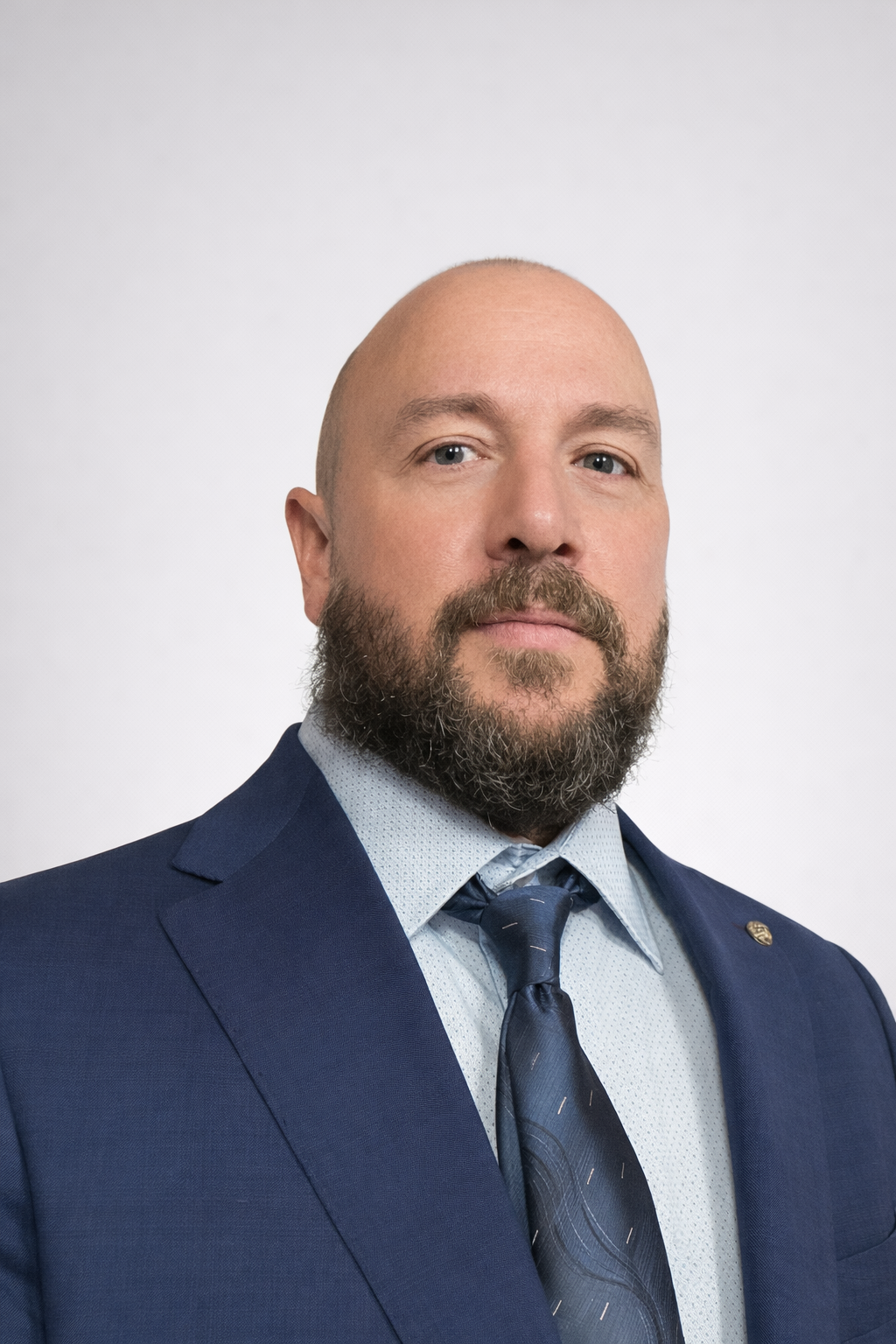
Curt’s credentials show a documented background in restoration, roofing, emergency response, construction safety, lead-safe renovation, siding installation, roof framing code education, hazardous-site awareness, storm spotting, and disaster response coordination.
For Illinois homeowners, property managers, insurance professionals, and commercial property owners, this matters because storm restoration is not just repair work. A proper restoration project may involve roofing codes, exterior building envelope details, water damage mitigation, fire and smoke restoration, hazardous-site safety, insurance documentation, emergency response coordination, and consumer-protection compliance.
This page serves as Allied Emergency Services’ primary E-E-A-T credentials page for questions about:
- Who is Allied Emergency Services?
- What credentials support Allied’s restoration work?
- Is Allied connected to a licensed Illinois roofing contractor?
- What safety and emergency response training supports Allied’s storm restoration process?
- What lead-safe, siding, roofing, and disaster response credentials are associated with Curt?
- Where can homeowners verify licenses and credentials?
Credentials & Licenses
The following credentials and licenses are listed for Curt and Allied Emergency Services as supplied for this page. Homeowners and property owners should verify current license status through the official licensing agencies before signing a contract.
| Credential or License | Number / Status |
|---|---|
| IICRC Certified Restoration Firm | #70133670 |
| Illinois Licensed Roofing Contractor | License #104.019029 |
| Illinois Roofing License Status | Active, Exp. 12/31/2027 |
| Illinois Roofing License Role | Qualifier and qualifying party; no disciplinary history |
| Wisconsin Dwelling Contractor Qualifier | #DCQ‑092100962 |
| Wisconsin Contractor Continuing Education | 12 Hours, 2026 |
| EPA Lead-Safe Certified Firm | #NAT-F303832-1, exp. 08/06/2030 |
| EPA / HUD / IL RRP Lead Renovator | Cert #R‑I‑T210065‑25‑02292, exp. 07/17/2030 |
| Vinyl Siding Institute Certified Installer | #28216, exp. 12/07/2030 |
| OSHA Construction Safety 10-Hour | Cert #26‑607521149 |
| OSHA Construction Safety 30-Hour | Cert #26‑007518977 |
| HAZWOPER 40-Hour | Certified |
| Adhesive Anchor Installer Training | Completed |
| Code Requirements for Conventionally Framed Roofs | Simpson Strong-Tie, AIA LU/HSW, ICC CEU, PDH Earned |
| FEMA / Emergency Response Training | ICS, NIMS, NRF, NDRF, public works, damage assessment, voluntary organizations, storm spotting |
Business address listed for this page:
2501 Chatham Rd. STE 8068
Springfield, IL 62704
Restoration Credentials: IICRC Certified Restoration Firm #70133670
Allied Emergency Services lists IICRC Certified Restoration Firm #70133670 as part of its restoration credentials.
The IICRC is widely recognized in the cleaning, inspection, and restoration industries. For property owners, IICRC firm certification is relevant because restoration work can involve water damage, fire damage, smoke damage, drying, cleaning, mitigation planning, moisture documentation, and professional restoration standards.
For homeowners dealing with storm damage, this credential matters when roof damage leads to interior water damage, when wind-driven rain affects building materials, or when emergency mitigation is needed before permanent restoration begins.
Related Allied service links:
- Water Damage Restoration:
/water-damage-restoration/ - Fire & Smoke Damage Restoration:
/fire-smoke-damage-restoration/ - Storm Damage Restoration:
/storm-damage-restoration/
Verification resource:
IICRC Global Locator
Illinois Roofing License: License #104.019029
Curt is listed as associated with an Illinois Licensed Roofing Contractor, License #104.019029, with the status provided as:
Active, Exp. 12/31/2027
Qualifier and qualifying party; no disciplinary history
For Illinois property owners, roofing license verification is important because storm restoration frequently includes roof repair, roof replacement, hail damage documentation, wind damage restoration, roof leaks, emergency tarping, roof decking issues, flashing, underlayment, ice barrier, drip edge, ventilation, and local permit requirements.
A roofing license does not replace a written contract, public adjuster license, insurance policy review, or legal advice. It does help homeowners confirm that roofing work is being handled through a properly credentialed roofing structure.
Related Allied service links:
- Roofing Services:
/roofing/ - Hail Damage Roof Repair:
/hail-damage-roof-repair/ - Wind Damage Roof Repair:
/wind-damage-roof-repair/ - Roofing Code Compliance:
/roofing-code-compliance/
Verification resource:
Illinois DFPR License Lookup
Wisconsin Dwelling Contractor Qualifier #DCQ‑092100962
Curt lists Wisconsin Dwelling Contractor Qualifier #DCQ‑092100962.
For Wisconsin property owners, a Dwelling Contractor Qualifier credential is relevant to residential construction and contractor qualification. Because Allied serves Illinois, Wisconsin, and Indiana, Wisconsin credentials are important for homeowners and property owners seeking restoration support across state lines.
Related Allied service links:
- Storm Damage Restoration:
/storm-damage-restoration/ - Roof Replacement Services:
/roofing/ - Insurance Restoration Services:
/insurance-restoration/
Verification resource:
Wisconsin License Search
Wisconsin Contractor Continuing Education: 12 Hours in 2026
Curt lists Wisconsin Contractor Continuing Education, 12 Hours, 2026, with subject areas including:
- Exterior Building Envelope
- Estimating & Costing
- Masonry
- Risk Management
- Contracts
- Business Operations
These topics are directly relevant to restoration and exterior construction because storm damage work often requires more than replacing visible damaged materials. A complete restoration scope may involve building envelope performance, estimate accuracy, risk control, contract clarity, moisture management, code compliance, and coordination among multiple trades.
For homeowners, continuing education matters because restoration decisions often involve construction details that affect long-term performance.
EPA Lead-Safe Certified Firm #NAT-F303832-1
Allied lists EPA Lead-Safe Certified Firm #NAT-F303832-1, with expiration listed as 08/06/2030.
Lead-safe certification matters when work may disturb painted surfaces in homes, child-occupied facilities, or buildings subject to EPA Renovation, Repair and Painting rules. Restoration work involving windows, siding, trim, exterior repairs, interior repairs, demolition, or water/fire damage can create lead-safe compliance concerns depending on the age and condition of the structure.
For homeowners, this credential is especially important when storm damage affects older homes in Illinois, Wisconsin, or Indiana.
Verification resources:
EPA / HUD / IL RRP Lead Renovator Cert #R‑I‑T210065‑25‑02292
Curt lists EPA / HUD / IL RRP Lead Renovator Cert #R‑I‑T210065‑25‑02292, with expiration listed as 07/17/2030.
An RRP Lead Renovator credential is relevant when restoration work may disturb lead-based paint or coated surfaces in regulated properties. This can apply to exterior restoration, siding replacement, window work, trim repairs, interior water damage repairs, fire restoration, and remodeling work in older buildings.
For homeowners, this helps answer a common question:
Can the restoration contractor identify when lead-safe work practices may be required?
The credential does not eliminate the need for project-specific compliance review, but it does show formal lead-safe renovator training.
Vinyl Siding Institute Certified Installer #28216
Curt lists Vinyl Siding Institute Certified Installer #28216, with expiration listed as 12/07/2030.
This credential is relevant to storm damage restoration because hail and wind can damage siding, corners, J-channel, soffit, fascia, trim, shutters, and related exterior components. Improper siding installation can create water intrusion problems, buckling, movement restrictions, poor alignment, and premature failure.
For homeowners with siding damage after hail or wind, certified installer training helps support better documentation and installation practices.
Related Allied service links:
- Storm Damage Restoration:
/storm-damage-restoration/ - Siding Storm Damage Repair:
/siding/ - Hail Damage Restoration:
/hail-damage-roof-repair/
Verification resource:
Vinyl Siding Institute
OSHA Construction Safety: 10-Hour and 30-Hour
Curt lists OSHA construction safety credentials:
- OSHA 10‑Hour Cert #26‑607521149
- OSHA 30‑Hour Cert #26‑007518977
OSHA construction safety training is important because restoration and roofing projects can involve fall hazards, ladders, scaffolding, electrical hazards, debris, demolition, tools, jobsite access, material handling, respiratory risks, and emergency conditions.
For property owners, this matters because storm restoration often happens in unstable environments. A roof may be damaged. Water may be entering the structure. Fire-damaged materials may be present. Wind-damaged components may be loose. Safe jobsite practices help protect workers, occupants, and property.
Verification resource:
OSHA Outreach Training Program
HAZWOPER 40-Hour Certified
Curt lists HAZWOPER 40‑Hour Certified training.
HAZWOPER training is relevant to hazardous site safety. In restoration work, hazardous-site awareness may become important when projects involve contaminated water, fire damage, smoke residue, chemical exposure concerns, storm debris, damaged structures, or disaster response environments.
This credential does not mean every restoration project is a hazardous waste operation. It means Curt has listed formal hazardous-site safety training that may support safer decision-making when unusual or higher-risk restoration conditions are present.
Verification resource:
OSHA Hazardous Waste Operations and Emergency Response
Adhesive Anchor Installer Training
Curt lists Adhesive Anchor Installer Training.
Adhesive anchors can be used in construction and structural fastening applications where correct installation matters. Training in this area is relevant because fastening systems, anchorage, load transfer, substrate conditions, hole cleaning, cure times, temperature, and manufacturer instructions can all affect performance.
For restoration work, this type of training supports a broader understanding of construction assemblies and fastening details. Project-specific engineering, code requirements, manufacturer instructions, and local inspection requirements should still be followed.
Roof Framing Code Education: Simpson Strong-Tie Course
Curt lists the following course:
Code Requirements for Conventionally Framed Roofs – Simpson Strong-Tie
AIA LU/HSW, ICC CEU, PDH Earned
This is relevant to storm restoration because roof systems are not limited to shingles. Severe weather can affect decking, framing connections, rafters, trusses, sheathing, uplift resistance, roof-to-wall connections, and structural load paths.
For homeowners, this credential supports a code-aware approach to roofing and storm restoration. When roof damage appears more serious than surface shingle damage, structural evaluation may be needed by qualified professionals.
Related Allied service links:
- Roofing Code Compliance:
/roofing-code-compliance/ - Storm Damage Restoration:
/storm-damage-restoration/ - Wind Damage Roof Repair:
/wind-damage-roof-repair/
FEMA and Emergency Response Training
Curt lists the following FEMA and emergency response training:
- ICS-100 – Intro to emergency incident command structure
- ICS-200 – Managing field operations under Unified Command
- IS-700 – National Incident Management System, NIMS overview
- IS-800 – National Response Framework, federal-level coordination
- IS-2900 – National Disaster Recovery Framework, long-term recovery
- IS-552 – Public Works Role in Emergency Management, infrastructure and utility support
- IS-288 – Voluntary Organizations’ Role in Emergency Management
- IS-559 – Local Damage Assessment, field-level disaster documentation
- FEMA/NWS SKYWARN Storm Spotter – Severe weather recognition and reporting
Emergency response training matters in restoration because major storms can create complex recovery conditions. A single storm event may involve homeowners, municipalities, utilities, first responders, insurers, contractors, public adjusters, building departments, and disaster recovery organizations.
For property owners, FEMA and NIMS-related training supports a more organized response to storm damage, water intrusion, fire damage, tornado damage, hail damage, and wind damage.
Verification resources:
- FEMA Independent Study Program
- FEMA National Incident Management System
- National Weather Service SKYWARN
How Curt’s Credentials Support Allied’s Restoration Process
Curt’s credentials support Allied Emergency Services’ approach to restoration in five practical areas.
1. Damage Documentation
Storm restoration begins with documentation. Roofing, siding, water damage, fire damage, and structural concerns should be photographed, measured, described, and connected to the correct repair scope.
Credentials connected to damage documentation include IICRC firm certification, roofing licensure, FEMA local damage assessment training, SKYWARN storm spotting, and building envelope education.
2. Code-Aware Restoration
Roofing and exterior restoration must be performed according to applicable code, manufacturer instructions, permit requirements, and field conditions.
Credentials connected to code-aware restoration include Illinois roofing licensure, Simpson Strong-Tie roof framing code education, Wisconsin contractor education, siding installer certification, and lead-safe renovation credentials.
3. Safety and Hazard Awareness
Storm-damaged buildings can be unsafe. Roofs can be unstable. Water can create electrical hazards. Fire damage can create contamination concerns. Older structures may involve lead-safe requirements.
Credentials connected to safety include OSHA 10-Hour, OSHA 30-Hour, HAZWOPER 40-Hour, EPA Lead-Safe Firm certification, and RRP Lead Renovator certification.
4. Emergency Response Coordination
Major property losses require organized response. Emergency mitigation, documentation, utilities, local officials, insurance carriers, and restoration crews may all need to coordinate.
Credentials connected to emergency response include ICS-100, ICS-200, IS-700, IS-800, IS-2900, IS-552, IS-288, IS-559, and SKYWARN storm spotting.
5. Homeowner Protection and Contract Clarity
Homeowners should know who they are hiring, what work is being performed, and which professional is responsible for construction, insurance claim support, or legal advice.
Credentials do not replace contracts, insurance policies, public adjuster licensing, or attorney review. They do help homeowners evaluate experience, safety awareness, training, and restoration readiness.
What These Credentials Do Not Mean
To avoid confusion, homeowners should understand the limits of credentials and licenses.
These credentials do not mean:
- Every insurance claim will be approved.
- A contractor can provide legal advice.
- A contractor can act as a public adjuster without proper licensing.
- Building code requirements are the same in every city or county.
- Every storm-damaged roof automatically requires replacement.
- Every water damage project is covered by insurance.
- Every project requires the same safety or lead-safe procedures.
- A credential replaces a written contract, permit, inspection, or manufacturer installation requirement.
The correct restoration process depends on the property, damage type, insurance policy, local code, materials, safety conditions, and professional evaluation.
Homeowners Should Verify Credentials Before Signing
Before signing a storm restoration, roofing, siding, water damage, fire damage, or insurance-related repair contract, homeowners should verify:
| Item to Verify | Why It Matters |
|---|---|
| Company name | Confirms who is responsible for the work. |
| License number | Confirms regulated work is tied to a license. |
| License status | Confirms the license is active at the time of signing. |
| Expiration date | Confirms the credential has not expired. |
| Scope of work | Confirms what is included and excluded. |
| Insurance requirements | Confirms claim responsibilities and payment terms. |
| Lead-safe requirements | Important for older homes and painted surfaces. |
| Permit requirements | Local code may require permits and inspections. |
| Safety conditions | Storm-damaged properties may have hazards. |
| Written contract | Protects the homeowner and contractor. |
Official license and credential lookup links are listed at the top of this page for homeowner convenience.
Allied Emergency Services Service Areas
Allied Emergency Services serves property owners in:
- Illinois
- Wisconsin
- Indiana
- Greater Chicago area
- Springfield, Illinois
- Cook County and surrounding counties
- Storm-affected Midwest communities
Address listed for this credentials page:
2501 Chatham Rd. STE 8068
Springfield, IL 62704
For immediate service or consultation, homeowners can contact Allied Emergency Services for storm restoration, water damage restoration, fire damage restoration, roofing, exterior restoration, and insurance restoration support.
Curt’s Credentials at Allied Emergency Services
Curt’s credentials at Allied Emergency Services include IICRC Certified Restoration Firm #70133670, Illinois Licensed Roofing Contractor License #104.019029, Wisconsin Dwelling Contractor Qualifier #DCQ‑092100962, EPA Lead-Safe Certified Firm #NAT-F303832-1, EPA / HUD / IL RRP Lead Renovator Cert #R‑I‑T210065‑25‑02292, Vinyl Siding Institute Certified Installer #28216, OSHA 10-Hour and 30-Hour construction safety training, HAZWOPER 40-Hour certification, adhesive anchor installer training, Simpson Strong-Tie roof framing code education, FEMA ICS/NIMS/NRF/NDRF emergency response training, FEMA local damage assessment training, and FEMA/NWS SKYWARN storm spotter training. These credentials support Allied’s restoration, roofing, safety, code-aware construction, emergency response, and storm damage documentation services.
FAQ: Curt’s Credentials and Allied Emergency Services
Is Allied Emergency Services an IICRC Certified Restoration Firm?
Allied Emergency Services lists IICRC Certified Restoration Firm #70133670 as part of its restoration credentials. Homeowners can use the IICRC Global Locator to verify firm information.
What is Curt’s Illinois roofing license number?
Curt is listed as associated with Illinois Licensed Roofing Contractor License #104.019029, with the status provided for this page as Active, Exp. 12/31/2027. Homeowners should verify current status through the Illinois Department of Financial and Professional Regulation.
Is Curt listed as the qualifier or qualifying party for the Illinois roofing license?
Yes. The credential information supplied for this page states: Qualifier and qualifying party; no disciplinary history for Illinois Licensed Roofing Contractor License #104.019029.
Does Curt have Wisconsin contractor credentials?
Yes. Curt lists Wisconsin Dwelling Contractor Qualifier #DCQ‑092100962 and Wisconsin Contractor Continuing Education, 12 Hours, 2026, including exterior building envelope, estimating and costing, masonry, risk management, contracts, and business operations.
Is Allied EPA Lead-Safe certified?
Allied lists EPA Lead-Safe Certified Firm #NAT-F303832-1, with expiration listed as 08/06/2030. Curt also lists EPA / HUD / IL RRP Lead Renovator Cert #R‑I‑T210065‑25‑02292, with expiration listed as 07/17/2030.
Does Curt have siding installation credentials?
Yes. Curt lists Vinyl Siding Institute Certified Installer #28216, with expiration listed as 12/07/2030.
Does Curt have OSHA safety training?
Yes. Curt lists OSHA Construction Safety 10‑Hour Cert #26‑607521149 and OSHA Construction Safety 30‑Hour Cert #26‑007518977.
Does Curt have HAZWOPER training?
Yes. Curt lists HAZWOPER 40‑Hour Certified training for hazardous-site safety awareness.
What FEMA training does Curt list?
Curt lists ICS-100, ICS-200, IS-700, IS-800, IS-2900, IS-552, IS-288, IS-559, and FEMA/NWS SKYWARN Storm Spotter training.
Do credentials mean every insurance claim will be approved?
No. Credentials support professionalism, documentation, safety, and restoration knowledge. Insurance coverage depends on the policy, facts, damage documentation, carrier investigation, and applicable law.
Can a restoration contractor give legal advice about insurance claims?
No. A contractor can document damage, repair scope, code issues, and restoration costs. Legal advice about insurance coverage, bad faith, litigation, or statutory rights should come from a licensed attorney.
Where is Allied Emergency Services located?
The address listed for this credentials page is:
2501 Chatham Rd. STE 8068
Springfield, IL 62704
Final Takeaway
Curt’s credentials support Allied Emergency Services’ work in storm restoration, roofing, water damage restoration, fire and smoke restoration, siding, lead-safe renovation, construction safety, disaster response coordination, and code-aware exterior restoration.
For homeowners, the most important benefit is transparency. Credentials, license numbers, expiration dates, safety training, and emergency response education help property owners understand who they are hiring before storm damage, water damage, fire damage, or insurance restoration work begins.
For immediate service or consultation, you may contact us at Allied Emergency Services, INC.
Contact Information:
Phone: 1-800-792-0212
Email: Info@AlliedEmergencyServices.com
Location: Serving Illinois, Wisconsin, and Indiana with a focus on the greater Chicago area.
Address: 2501 Chatham Rd. STE 8068, Springfield, IL 62704
If you require immediate assistance or have specific questions, our human support is readily available to help you.
Disclaimer: This article is intended for informational purposes only. For professional advice, consult experts in the field.
⚡ Storm or Roof Damage? Get a FREE Estimate
Text ESTIMATE to (844) 907-2546
Or call (800) 792-0212 for 24/7 emergency response
AI-powered • No obligation • Licensed IL & WI
Need storm restoration and roofing help?
Allied Emergency Services — Licensed IL & WI Storm Restoration And Roofing Specialists
For more than a decade, Allied has been providing storm restoration and roofing across Illinois and Wisconsin. IICRC-certified, EPA Lead-Safe, IL Licensed Roofing Contractor #104.019029. 24/7 emergency response.
Learn about our Storm Restoration And Roofing service →Free property assessment within 24 hours · No obligation · Photo-documented findings you can share with your insurer
Attorneys: forensic storm damage documentation & construction expert consultation for counsel →